Pay in installments of $7.25 with
 ,
,
 and
and

Shipping Estimate
USA
- USA
- CAN
- USA
- CAN
Ships within 48 hours · Estimated delivery Jun 29 - Jul 4
 Promo Codes Available:
For Your Every Summer RSVP, with Code: SUMMER15
Description
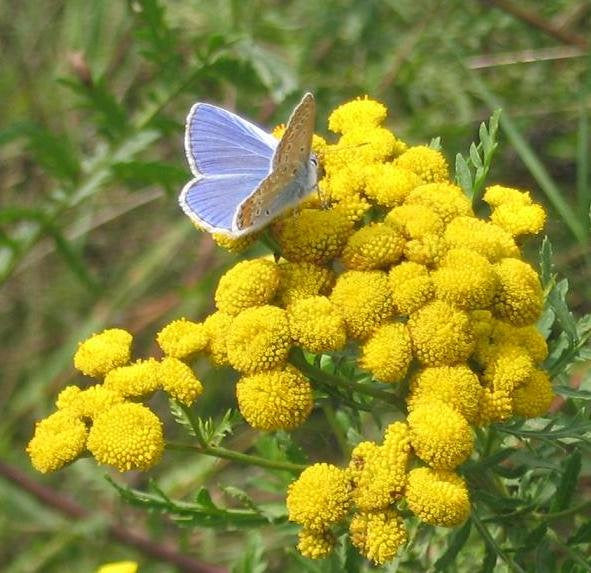
tansy flower seeds 1000 Tansy Seeds - Tanacetum vulgareCommon Name: common tansy Type: Herbaceous perennial Family: Asteraceae Native Range: Europe Zone: 3 to 8 Height: 1. 00 to 3. 00 feet Spread: 0. 75 to 1. 50 feet Bloom Time: July to August Bloom Description: Yellow Sun: Full sun to part shade Water: Dry to medium Maintenance: Low Suggested Use: Naturalize Flower: Showy, Fragrant Leaf: Fragrant Tolerate: Deer, Drought, Erosion Garden locations Culture Easily grown in average, dry to medium, well
Common Name: common tansy
Type: Herbaceous perennial
Family: Asteraceae
Native Range: Europe
Zone: 3 to 8
Height: 1.00 to 3.00 feet
Spread: 0.75 to 1.50 feet
Bloom Time: July to August
Bloom Description: Yellow
Sun: Full sun to part shade
Water: Dry to medium
Maintenance: Low
Suggested Use: Naturalize
Flower: Showy, Fragrant
Leaf: Fragrant
Tolerate: Deer, Drought, Erosion
Garden locations
Culture
Easily grown in average, dry to medium, well-drained soils in full sun to part shade. Appreciates some afternoon shade in hot summer climates. Prefers moist, humusy soils where it can rapidly spread by rhizomes, but tolerates a wide variety of soils including poor, dry soils where its spreading habit is more restrained. Naturalization into outlying areas primarily occurs by self-seeding, but rhizomatous spread in beds and borders can pose significant problems of control and removal. Shear off spent flowers immediately after bloom in order to control any unwanted self-seeding.
Noteworthy Characteristics
Tanacetum vulgare, commonly called golden buttons or tansy, is an erect, rhizomatous, weedy perennial with aromatic, fern-like foliage. It typically grows 1-3’ tall. It is native to Europe and Asia, but was brought to the U.S. in colonial times for medicinal and horticultural purposes. Over time, it has escaped gardens and naturalized along roadsides, railroads, waste areas and along streams throughout much of the northern U.S. and southern Canada. Button-like yellow flowers (composites with rays absent or inconspicuous) appear in summer in compact, flat-topped clusters (corymbs). Strongly-scented, pinnately-divided, fern-like green leaves (6-8” long) are somewhat reminiscent of yarrow. Dating back to ancient Greece and Rome, this plant has a long history of use as a folk medicine remedy for a number of problems including plague, colic, parasitic worms, fever, gout, digestive disorders and hysteria. Plant foliage has been used as an insect repellant. Flowers have been used in funeral shrouds and wreaths. Fresh leaves and flowers have been used as a substitute for sage in cooking. Dried leaves have been used to make teas. Notwithstanding its history, current uses of this plant in teas, food and medicine have now virtually disappeared. Plant oils contain an extremely toxic ingredient (thujone) that can be fatal when consumed in large quantities. Synonymous with and formerly known as Chrysanthemum vulgare.
Genus name reportedly is derived from an altered form of the Greek word athanatos meaning long-lasting or immortal in reference to the long-lasting flowers and/or the everlasting qualities of the dried flowers of some species (in particular Tanacetum vulgare).
Shipping Notes
- Free Standard Shipping on $100+ Orders to the USA.
- Except Preorder products are shipped in 48 hours.
- Delivery to the USA:
- Standard Shipping : 3-10 business days
- If time is of the essence, please consider selecting expedited delivery for faster service.
Exchange/Return Notes
- We offer a 30-day return/exchange service after receiving.
- Final sale items are not eligible for returns or exchanges.
- To process your return/exchange, please contact us at [email protected]
- Please click here for more details>>> Return & Exchange Policy